Hey there! I’m a supplier of box type substations, and I’m here to share some tips on how to troubleshoot these nifty pieces of equipment. Box type substations are pretty cool because they’re all-in-one electrical power distribution solutions. They’re compact, easy to install, and can handle a whole bunch of electrical needs. But like any piece of machinery, they can run into problems from time to time. So, let’s dive into how you can figure out what’s going wrong and fix it. Box Type Substation
1. Initial Checks
When you first notice that something’s off with your box type substation, the first thing you gotta do is some basic checks. Start by looking at the external appearance. Check for any signs of damage, like cracks in the enclosure, loose panels, or signs of water ingress. Water is a big no-no for electrical equipment, as it can cause short circuits and other serious issues.
Next, take a look at the indicators on the control panel. Most box type substations have lights or displays that show the status of different components. For example, there might be a light that indicates whether the transformer is working properly or if there’s an issue with the circuit breakers. If you see any warning lights on, that gives you a good starting point for further investigation.
Also, check the temperature of the substation. You can use an infrared thermometer to measure the temperature of the transformer, circuit breakers, and other components. If something is running too hot, it could be a sign of a problem, like an overloaded circuit or a faulty component.
2. Checking the Power Supply
If the substation isn’t working at all, the first thing to check is the power supply. Make sure that the main power cable is properly connected and that there’s power coming into the substation. You can use a multimeter to check the voltage at the input terminals. If there’s no voltage, there could be a problem with the upstream power source, like a blown fuse or a tripped circuit breaker in the main electrical panel.
Even if there’s power coming in, you still need to check the voltage levels. The voltage should be within the specified range for the substation. If the voltage is too high or too low, it can cause problems for the equipment inside the substation. For example, low voltage can cause the transformer to overheat, while high voltage can damage the electronic components.
3. Troubleshooting the Transformer
The transformer is one of the most important components in a box type substation, so it’s crucial to make sure it’s working properly. If you suspect a problem with the transformer, start by checking the oil level (if it’s an oil-cooled transformer). Low oil level can cause the transformer to overheat and fail. You should also check the oil temperature. If the temperature is too high, it could be a sign of a problem, like a short circuit inside the transformer.
Another thing to look for is any signs of leakage. If you see oil on the ground near the transformer or if there are wet spots on the transformer enclosure, that’s a clear sign of a leak. A leaking transformer needs to be addressed immediately to prevent further damage.
You can also listen to the transformer. A normal transformer should make a humming sound. If you hear a loud buzzing or cracking sound, it could be a sign of a problem, like a loose connection or a short circuit.
4. Circuit Breaker Issues
Circuit breakers are designed to protect the substation from overcurrents and short circuits. If a circuit breaker trips, it means that there’s a problem somewhere in the circuit. The first thing to do when a circuit breaker trips is to try to reset it. But before you do that, you need to figure out why it tripped in the first place.
Check the load on the circuit. If the circuit is overloaded, the breaker will trip to protect the equipment. You might need to reduce the load on the circuit by disconnecting some non-essential devices.
Inspect the circuit for any signs of short circuits. A short circuit can occur when two conductors come into contact with each other, causing a large amount of current to flow. Look for any damaged wires, loose connections, or damaged components in the circuit.
5. Control and Protection System
The control and protection system in a box type substation is responsible for monitoring the operation of the substation and protecting it from faults. If there’s a problem with this system, it can cause the substation to malfunction.
Check the sensors and relays in the control system. Make sure they’re properly connected and functioning. A faulty sensor can give incorrect readings, which can lead to false alarms or improper operation of the protection devices.
Inspect the control panel for any signs of damage or loose connections. The control panel is the brain of the substation, so it’s important to keep it in good working condition.
6. Communication and Monitoring
Many modern box type substations are equipped with communication and monitoring systems that allow you to remotely monitor the operation of the substation. If you’re having trouble with the substation, check the communication link between the substation and the monitoring center.
Make sure the communication cables are properly connected and that there are no interruptions in the signal. If there’s a problem with the communication system, you might not be able to receive real-time data about the substation’s operation, which can make troubleshooting more difficult.
7. When to Call in the Pros
Sometimes, troubleshooting a box type substation can be a real pain in the neck, especially if the problem is complex. If you’ve tried all the basic troubleshooting steps and you still can’t figure out what’s wrong, it’s time to call in the professionals.
As a box type substation supplier, I always recommend having a maintenance contract with a qualified electrical contractor. They have the tools, knowledge, and experience to diagnose and fix even the most complicated problems.

So, there you have it! A rundown of how to troubleshoot a box type substation. By following these steps, you can save yourself a lot of time and money by quickly identifying and fixing problems.
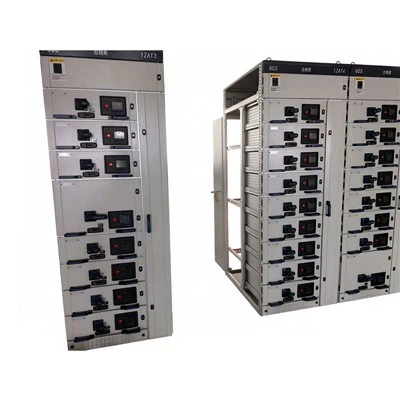
High-Voltage Switchgear If you’re in the market for a new box type substation or if you need help with your existing one, don’t hesitate to get in touch. We’re here to help you choose the right substation for your needs and to provide you with top-notch support and maintenance services.
References
- Electrical Equipment Maintenance Handbook
- Handbook of Power System Engineering
Jiangxi Yihong Electric Power Technology Co., Ltd.
As one of the most experienced box type substation manufacturers and suppliers in China, we also support customized service. We warmly welcome you to buy high quality box type substation from our factory. If you have any enquiry about pricelist, please feel free to email us.
Address: Chating Industrial Park, Guangxin District, Shangrao City, Jiangxi Province
E-mail: 15779933057@163.com
WebSite: https://www.yihcn.com/
