As a seasoned provider of Uninterruptible Power Supplies (UPS), I’ve witnessed firsthand the profound impact these devices have on power quality. In this blog, I’ll delve into the various ways a UPS can enhance power quality, ensuring a stable and reliable power supply for your critical equipment. Uninterruptible Power Supply
Understanding Power Quality
Before we explore how a UPS improves power quality, it’s essential to understand what power quality entails. Power quality refers to the characteristics of electrical power that enable electrical equipment to function properly and efficiently. Poor power quality can lead to a range of issues, including equipment malfunctions, data loss, and increased energy consumption.
Common power quality problems include voltage sags and surges, harmonic distortion, frequency variations, and power outages. These issues can be caused by a variety of factors, such as lightning strikes, utility grid problems, and the operation of large electrical loads.
How a UPS Improves Power Quality
Voltage Regulation
One of the primary functions of a UPS is to regulate the voltage supplied to connected equipment. Voltage sags and surges can occur due to a variety of reasons, such as sudden changes in electrical load or problems with the utility grid. A UPS uses advanced voltage regulation technology to maintain a stable output voltage, even when the input voltage fluctuates.
For example, if the input voltage drops below the normal range, the UPS can boost the voltage to ensure that the connected equipment receives a stable power supply. Conversely, if the input voltage rises above the normal range, the UPS can reduce the voltage to prevent damage to the equipment.
Surge Protection
In addition to voltage regulation, a UPS also provides surge protection. Surges are sudden, short-duration increases in voltage that can be caused by lightning strikes, power grid switching, or the operation of large electrical equipment. These surges can damage sensitive electronic equipment, such as computers, servers, and telecommunications systems.
A UPS is equipped with surge protection devices, such as metal oxide varistors (MOVs), that can divert excess voltage away from the connected equipment. When a surge occurs, the MOVs change their resistance to allow the excess voltage to flow safely to the ground, protecting the equipment from damage.
Harmonic Filtering
Harmonic distortion is another common power quality problem that can affect the performance and lifespan of electrical equipment. Harmonics are unwanted frequencies that are generated by non-linear electrical loads, such as computers, variable frequency drives, and fluorescent lighting. These harmonics can cause overheating, increased energy consumption, and interference with other electrical equipment.
A UPS can help reduce harmonic distortion by filtering out the unwanted frequencies. Some UPS models are equipped with built-in harmonic filters that can remove harmonics from the power supply, ensuring a clean and stable power output.
Frequency Regulation
Frequency is another important aspect of power quality. The frequency of the electrical power supply should remain stable within a narrow range to ensure the proper operation of electrical equipment. In some regions, the standard frequency is 50 Hz, while in others, it is 60 Hz. Any significant deviation from the standard frequency can cause problems for equipment that is designed to operate at a specific frequency.
A UPS can regulate the frequency of the power supply to ensure that it remains within the acceptable range. This is particularly important for equipment that is sensitive to frequency variations, such as data centers, telecommunications systems, and industrial automation equipment.
Power Outage Protection
Perhaps the most well-known function of a UPS is to provide power outage protection. Power outages can occur due to a variety of reasons, such as severe weather, equipment failures, or grid overloads. These outages can cause significant disruptions to businesses and individuals, resulting in data loss, productivity losses, and damage to equipment.
A UPS acts as a backup power source during a power outage, providing a continuous supply of electricity to connected equipment. When the power goes out, the UPS automatically switches from the utility power supply to its internal battery, allowing the equipment to continue operating for a certain period of time. This gives users enough time to save their work, shut down the equipment properly, or switch to an alternative power source, such as a generator.
Benefits of Power Quality Improvement
The power quality improvement provided by a UPS offers a range of benefits for businesses and individuals. Some of the key benefits include:
Equipment Protection
By providing stable and clean power, a UPS helps protect sensitive electronic equipment from damage caused by voltage sags, surges, and harmonics. This can extend the lifespan of the equipment, reduce maintenance costs, and prevent costly downtime.
Data Protection
Power outages and poor power quality can cause data loss and corruption, which can be a major problem for businesses and individuals. A UPS provides backup power during a power outage, allowing users to save their work and shutdown the equipment properly, preventing data loss.
Productivity Improvement
Unplanned downtime due to power outages and equipment failures can have a significant impact on productivity. A UPS helps ensure a continuous power supply, reducing the risk of downtime and allowing businesses to operate smoothly.
Energy Efficiency
By reducing harmonic distortion and improving power factor, a UPS can help improve energy efficiency. This can result in lower energy costs and a reduced environmental impact.
Choosing the Right UPS
When choosing a UPS, it’s important to consider your specific power requirements and the type of equipment you need to protect. Some of the factors to consider include:
Power Capacity
The power capacity of a UPS is measured in volt-amperes (VA) or watts. You need to choose a UPS with a power capacity that is sufficient to support the electrical load of your equipment. It’s recommended to choose a UPS with a power capacity that is at least 20% higher than the total power consumption of your equipment to allow for future expansion.
Runtime
The runtime of a UPS refers to the amount of time it can provide backup power to your equipment during a power outage. The runtime depends on the power capacity of the UPS, the electrical load of your equipment, and the type of battery used. You need to choose a UPS with a runtime that is sufficient to meet your needs.
Type of UPS
There are three main types of UPS: standby, line-interactive, and online double-conversion. Standby UPSs are the most basic and affordable type, but they provide limited protection against power quality problems. Line-interactive UPSs are more advanced and provide better protection against voltage sags and surges. Online double-conversion UPSs are the most expensive but provide the highest level of protection against all types of power quality problems.
Conclusion
In conclusion, a UPS plays a crucial role in improving power quality by providing voltage regulation, surge protection, harmonic filtering, frequency regulation, and power outage protection. The power quality improvement provided by a UPS offers a range of benefits, including equipment protection, data protection, productivity improvement, and energy efficiency.
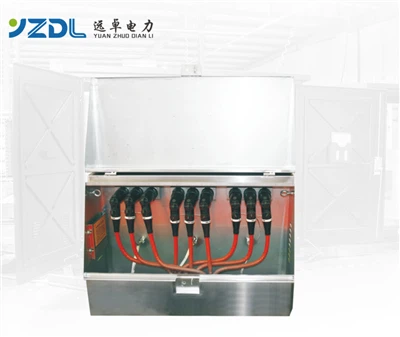
Cable Distribution Box If you’re looking for a reliable and high-quality UPS to improve the power quality of your critical equipment, I encourage you to contact us for a consultation. Our team of experts can help you choose the right UPS for your specific needs and provide you with professional installation and maintenance services.
References
- "Power Quality Basics," IEEE Power and Energy Society.
- "Uninterruptible Power Supplies (UPS): A Comprehensive Guide," Schneider Electric.
- "The Importance of Power Quality in Data Centers," Data Center Knowledge.
Yuanzhuo Electrical Equipment (Jiangsu) Co., Ltd.
We’re well-known as one of the leading uninterruptible power supply manufacturers and suppliers in China. We warmly welcome you to wholesale high quality uninterruptible power supply at competitive price from our factory. If you have any enquiry about cooperation, please feel free to email us.
Address: Group 8, Chengdong Village, Fucheng Sub-district Office, Funing County
E-mail: markcheng1358@126.com
WebSite: https://www.yzdlchina.com/
