Hey there! I’m a supplier of brick machines, and I often get asked about the raw materials commonly used in these machines. So, I thought I’d write this blog to share some insights on the topic. Brick Machine

One of the most common raw materials for brick – making is clay. Clay has been used for centuries to make bricks. It’s easily accessible in many areas and has good plasticity. When mixed with the right amount of water, clay can be shaped into bricks. There are different types of clay, like kaolin, ball clay, and fire clay. Kaolin is a pure white clay that’s great for making high – quality bricks. Ball clay has high plasticity, which means it can be easily molded into different shapes. Fire clay, on the other hand, can withstand high temperatures, making it ideal for bricks used in fireplaces or industrial furnaces.
The process of using clay in a brick machine is quite straightforward. First, the clay is mined and then transported to the brick – making facility. At the facility, it’s crushed and screened to remove any large rocks or impurities. Then, water is added to the clay to make it workable. The clay – water mixture is then fed into the brick machine, which presses it into the desired brick shape. After that, the bricks are dried and fired in a kiln to harden them.
Another popular raw material is shale. Shale is a fine – grained sedimentary rock that can be used to make bricks. It has a similar composition to clay in some ways but offers some unique advantages. Shale bricks are often more durable and have better resistance to weathering compared to clay bricks. They also come in a variety of colors, from reds and browns to grays.
When using shale in a brick machine, the shale is first quarried. Then, it goes through a similar process as clay. It’s crushed into small pieces and mixed with water. The mixture is then fed into the brick machine. Once the bricks are formed, they are fired at high temperatures. The firing process gives shale bricks their strength and color.
Sand is also an important raw material in brick – making. Sand is often mixed with other materials like clay or shale to improve the properties of the bricks. It helps to reduce shrinkage during the drying and firing processes. If there’s too much shrinkage, the bricks can develop cracks, which weakens them.
Adding sand to the mix also makes the bricks more porous. This porosity can be beneficial as it allows the bricks to breathe, reducing the risk of moisture damage. When using sand in a brick machine, it’s important to choose the right grain size. Fine – grained sand is often used in a higher proportion as it helps to fill in the gaps between the other particles and gives the bricks a smoother finish.
Fly ash is a by – product of coal – fired power plants. It has become an increasingly popular raw material for brick – making in recent years. Fly ash has pozzolanic properties, which means it can react with calcium hydroxide in the presence of water to form cementitious compounds. This helps to strengthen the bricks.
Using fly ash in brick – making is an environmentally friendly option as it reduces the amount of waste going to landfills. In a brick machine, fly ash is usually mixed with lime, gypsum, and water. The mixture is then compacted into bricks. These bricks don’t need to be fired like traditional clay or shale bricks, which saves a lot of energy.
Cement is another key ingredient in some types of bricks, especially in concrete bricks. Cement acts as a binder, holding all the other materials together. Concrete bricks are made by mixing cement, sand, gravel, and water in a specific ratio. The mixture is then poured into molds in the brick machine.
Concrete bricks are known for their strength and durability. They are often used in construction projects where high – strength bricks are required, like in the construction of load – bearing walls. And they can be produced relatively quickly compared to fired bricks.
Let’s talk a bit about recycled materials. In today’s world, sustainability is a big deal, and using recycled materials in brick – making is a great way to be more eco – friendly. For example, crushed glass can be used as a partial replacement for sand in brick – making. It not only reduces the need for virgin sand but also gives the bricks a unique look.
Crushed concrete from demolition sites can also be recycled into bricks. After being crushed into small pieces, it can be mixed with other materials in the brick machine to make new bricks. This not only saves on raw materials but also reduces the environmental impact of construction waste.
Now, let’s sum it up. There are several raw materials commonly used in a brick machine, each with its own advantages. Clay and shale offer traditional and reliable options, while sand helps to improve the properties of the bricks. Fly ash is an eco – friendly alternative, and cement is essential for making concrete bricks. Plus, using recycled materials is a growing trend in the industry.
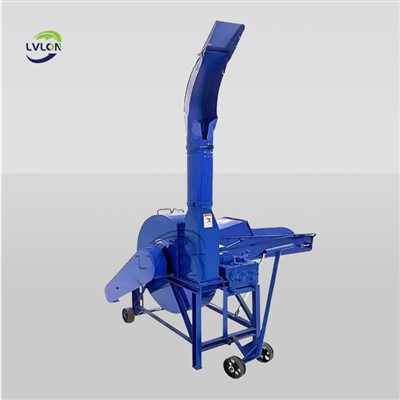
If you’re in the market for a brick machine or have questions about the raw materials used, I’m here to help. Whether you’re a small – scale brick producer or a large construction company, I can provide you with the right brick machine for your needs. Feel free to reach out and we can have a chat about your requirements. Let’s work together to make your brick – making project a success!
Feeding Equipment References:
- "Brick and Tile Making" by John Smith
- "Construction Materials Handbook" by David Brown
- Industry reports from the brick – making sector
Henan Lvlon Industrial Co., Ltd.
Address: Unit 5, 5th Floor, Building 11, No. 18 Dongfeng Road, Jinshui District, Zhengzhou City, Henan Province.
E-mail: lvlonxu@gmail.com
WebSite: https://www.lvlonmachinery.com/
