As a seasoned steel grating supplier deeply entrenched in the industry, I’ve witnessed firsthand the dynamic fluctuations and diverse factors that influence the price range of steel gratings in the market. In this blog, I aim to shed light on the various elements that contribute to the cost of steel gratings and provide you with a comprehensive understanding of what to expect when it comes to pricing. Steel Grating

The Basics of Steel Grating Pricing
Steel grating prices are not set in stone; they are a complex interplay of multiple factors. The primary materials used in steel grating production are carbon steel, stainless steel, and aluminum. Each material has its own unique price point, with stainless steel being the most expensive due to its corrosion – resistance and durability, followed by carbon steel, and then aluminum.
The manufacturing process also plays a significant role. Welded steel gratings are generally more cost – effective to produce compared to riveted or swaged gratings. Welding is a relatively straightforward process that can be automated, reducing labor costs. Riveted and swaged gratings, on the other hand, require more manual labor, which drives up the price.
Material – related Price Factors
Carbon Steel
Carbon steel is the most commonly used material for steel gratings. Its price is influenced by the global steel market, which can be volatile due to factors such as supply and demand, raw material costs (iron ore, coal), and geopolitical events. For instance, if there is a sudden increase in the demand for steel in the construction industry, the price of carbon steel will likely rise, and so will the cost of carbon steel gratings.
The quality of carbon steel also matters. Higher – grade carbon steel with better mechanical properties, such as increased strength and ductility, will be more expensive. Surface treatments, like galvanizing, also add to the cost. Galvanized carbon steel gratings are more resistant to rust and corrosion, making them suitable for outdoor and harsh – environment applications. The galvanizing process involves dipping the gratings in molten zinc, which incurs additional material and processing costs.
Stainless Steel
Stainless steel gratings are known for their excellent corrosion resistance, making them ideal for applications in chemical plants, food processing facilities, and marine environments. The price of stainless steel is significantly higher than carbon steel because of its alloying elements, such as chromium, nickel, and molybdenum. The cost of these elements can fluctuate based on market conditions.
The type of stainless steel also affects the price. Austenitic stainless steels (e.g., 304 and 316) are more commonly used for gratings due to their good formability and corrosion resistance. Grade 316 stainless steel, which contains molybdenum, is more expensive than grade 304 because molybdenum enhances its resistance to pitting and crevice corrosion in chloride – containing environments.
Aluminum
Aluminum gratings are lightweight and corrosion – resistant, making them a popular choice for applications where weight is a concern, such as in aircraft hangars or offshore platforms. The price of aluminum is influenced by the global aluminum market, which is affected by factors like production costs, energy prices (aluminum production is energy – intensive), and trade policies.
Aluminum alloys used in grating production also vary in price. Alloys with higher strength and better corrosion resistance will be more costly. Additionally, the finishing process, such as anodizing, can increase the price of aluminum gratings. Anodizing creates a protective oxide layer on the surface of the aluminum, improving its durability and appearance.
Design and Specification – related Price Factors
Size and Thickness
The size and thickness of the steel grating have a direct impact on its price. Larger and thicker gratings require more raw materials and are more difficult to manufacture and transport. For example, a large – scale steel grating panel with a thick cross – bar will cost more than a small, thin one.
Mesh Opening and Bar Spacing
The mesh opening and bar spacing specifications also affect the price. Gratings with smaller mesh openings or closer bar spacing require more material and more precise manufacturing processes, resulting in a higher cost. These types of gratings are often used in applications where safety and security are paramount, such as in industrial walkways to prevent small objects from falling through.
Special Shapes and Customizations
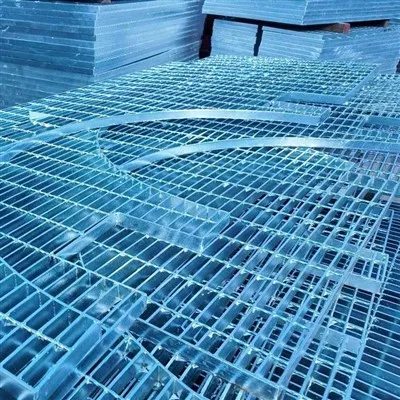
If you require steel gratings in special shapes or with custom – made features, the price will increase. Custom – cutting, bending, or adding special coatings or markings all add to the complexity of the manufacturing process and, consequently, the cost. For example, a circular steel grating or a grating with a specific logo engraved on it will be more expensive than a standard rectangular grating.
Market – related Price Influences
Supply and Demand
The basic economic principle of supply and demand has a significant impact on steel grating prices. When the demand for steel gratings is high, such as during a construction boom in a particular region, prices tend to rise. Conversely, when the supply of steel gratings exceeds the demand, prices may drop.
Competition
The level of competition in the market also affects prices. In a highly competitive market, suppliers may offer lower prices to attract customers. However, it’s important to note that extremely low prices may indicate lower – quality products. As a responsible supplier, I always strive to provide high – quality steel gratings at competitive prices, balancing quality and affordability.
Typical Price Ranges
In general, the price range of carbon steel gratings can vary from around $10 to $50 per square meter. Welded carbon steel gratings with standard specifications and a basic galvanized finish are on the lower end of the range, while custom – made, heavy – duty carbon steel gratings with special treatments can be at the higher end.
Stainless steel gratings are more expensive, typically ranging from $50 to $150 per square meter. The price depends on the type of stainless steel and the complexity of the design. Grade 304 stainless steel gratings are usually in the lower part of this range, while grade 316 stainless steel gratings, especially those with custom features, are closer to the higher end.
Aluminum gratings usually cost between $20 and $100 per square meter. Light – duty aluminum gratings with standard specifications are at the lower end, while high – strength, custom – fabricated aluminum gratings can reach the higher end of the range.
Conclusion
In conclusion, the price range of steel gratings in the market is influenced by a multitude of factors, including the type of material, manufacturing process, design and specifications, and market conditions. As a steel grating supplier, I understand that price is an important consideration for my customers, but I also emphasize the importance of quality. Choosing a high – quality steel grating may cost more upfront but can save you money in the long run due to its durability and lower maintenance requirements.
Slope Protection Net If you are in the market for steel gratings and want to discuss your specific needs and get an accurate price quote, I encourage you to reach out to me. Whether you need a small quantity for a home project or a large – scale supply for an industrial application, I am here to provide you with the best – suited steel gratings at competitive prices. Start a conversation with me today, and let’s work together to find the perfect steel grating solution for you.
References
- "Steel Grating Handbook". This handbook provides in – depth information on the manufacturing, properties, and applications of steel gratings.
- Industry reports from leading steel and metal research organizations, which analyze market trends, material costs, and price fluctuations in the steel grating industry.
- Technical documents from steel and alloy manufacturers, which detail the composition, properties, and pricing of different types of steel and aluminum used in grating production.
Anping Chengshuai Slope Protection Engineering Manufacturer
As one of the most reliable steel grating manufacturers and suppliers in China, we have world-leading production equipment and strong manufacturing capabilities. Please rest assured to buy cheap steel grating for sale here from our factory. For price consultation, contact us.
Address: 200 meters east of Wanghulin Village, Anping County, Hengshui City, Hebei Province, China.
E-mail: elfwangwang@gmail.com
WebSite: https://www.chengshuaislopeprotection.com/
