How does the thickness of Polyvinylidene Chloride Inner Printing Film affect its performance?
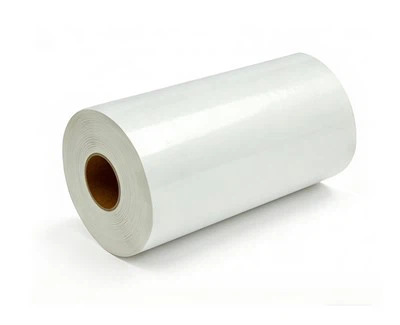
In the dynamic landscape of packaging materials, Polyvinylidene Chloride (PVDC) inner printing film stands out as a versatile option. As a supplier deeply entrenched in the industry, I’ve witnessed firsthand the significant impact that the film’s thickness can have on its overall performance. Today, I’ll delve into the intricate relationship between the thickness of PVDC inner printing film and its various performance aspects. Polyvinylidene Chloride Inner Printing Film
1. Barrier Properties
One of the most critical features of PVDC inner printing film is its exceptional barrier properties against oxygen, moisture, and other gases. Thickness plays a crucial role in determining the effectiveness of these barriers.
Oxygen Barrier
Oxygen is a major enemy for many products, especially food items. It can cause oxidation, leading to spoilage, loss of flavor, and a reduction in shelf – life. A thicker PVDC inner printing film generally offers better oxygen barrier performance. The additional layers of polymer in a thicker film create a more torturous path for oxygen molecules to penetrate. This means that products packaged with thicker PVDC films are better protected from the harmful effects of oxygen. For example, in the packaging of cured meats, a thicker PVDC film can significantly extend the product’s freshness by reducing the rate of oxygen ingress.
Moisture Barrier
Moisture can also wreak havoc on products. It can cause microbial growth, affect the texture of foods, and corrode metal components in some industrial products. Similar to oxygen barrier properties, a thicker PVDC inner printing film provides a more effective moisture barrier. The dense molecular structure of PVDC resists the penetration of water vapor, and with increased thickness, this resistance is further enhanced. In the packaging of dry snacks, such as potato chips, a thicker film helps keep the product crispy by preventing moisture from entering the package.
2. Mechanical Strength
The mechanical strength of the PVDC inner printing film is another aspect that is closely related to its thickness.
Tensile Strength
Tensile strength refers to the film’s ability to resist being pulled apart. A thicker PVDC film typically has higher tensile strength. During the packaging process, the film is subjected to various mechanical forces, such as stretching and pulling. A thicker film can better withstand these forces without tearing or breaking. This is particularly important in high – speed packaging lines, where any breakage of the film can lead to production delays and increased costs. For instance, in automated packaging machines for large – volume products, a thicker PVDC inner printing film ensures smooth operation and reliable packaging.
Puncture Resistance
Puncture resistance is crucial for protecting the packaged product from sharp objects or rough handling. Thicker PVDC films are more resistant to punctures. In the packaging of products with sharp edges, like some hardware items or certain types of food with bone fragments, a thicker film provides an extra layer of protection. It reduces the risk of the film being punctured during storage, transportation, or handling, thereby maintaining the integrity of the package and the quality of the product inside.
3. Printability
Printability is an essential factor, especially when the film is used for inner printing to convey important information about the product.
Ink Adhesion
A thicker PVDC inner printing film can sometimes offer better ink adhesion. The additional thickness provides more surface area and a more stable substrate for the ink to adhere to. This results in sharper, more vibrant, and longer – lasting prints. For products that rely on high – quality printing, such as luxury food items or high – end consumer goods, a thicker film can enhance the visual appeal of the packaging. The ink is less likely to smudge or fade over time, ensuring that the product information remains clear and attractive to the consumers.
Printing Resolution
Thickness can also affect the printing resolution. A thicker film can better hold fine details in the printed image. This is because the ink has more space to spread evenly across the surface without bleeding or blurring. In applications where detailed graphics, such as product logos or intricate patterns, need to be printed, a thicker PVDC film can produce a more precise and professional – looking result.
4. Flexibility and Processability
While thickness can enhance certain performance aspects, it can also have an impact on the flexibility and processability of the PVDC inner printing film.
Flexibility
As the thickness of the film increases, its flexibility decreases. A thinner PVDC film is more flexible and can be easily bent, folded, or wrapped around products of different shapes. This makes it suitable for packaging irregularly shaped items, such as fresh produce or some handicrafts. On the other hand, a thicker film is less flexible and may be more suitable for rigid packaging applications, where the shape of the package needs to be maintained.
Processability
In terms of processability, thinner films are generally easier to handle in some manufacturing processes. They can be more easily extruded, laminated, and cut. However, thicker films may require more powerful processing equipment and careful adjustment of processing parameters. For example, in the lamination process, a thicker film may need higher pressure and temperature to ensure proper bonding with other layers.
5. Cost – effectiveness
The thickness of the PVDC inner printing film also has implications for cost – effectiveness.
Material Cost
Thicker films require more raw material, which directly increases the material cost. This can be a significant factor for businesses, especially those operating on tight budgets. However, it’s important to balance the material cost with the benefits gained in terms of performance. For example, if a product has a long shelf – life requirement and needs excellent barrier properties, the additional cost of a thicker film may be justified by the extended product freshness and reduced waste due to spoilage.
Packaging Efficiency
In some cases, a thicker film may improve packaging efficiency. A more robust film with better mechanical strength can reduce the frequency of packaging line stoppages due to film breakage. This can lead to increased productivity and lower overall production costs in the long run. However, if the thickness of the film is excessive, it may also slow down the packaging process, offsetting the potential cost savings.

In conclusion, the thickness of Polyvinylidene Chloride inner printing film has a profound impact on its performance in various aspects, including barrier properties, mechanical strength, printability, flexibility, and cost – effectiveness. As a supplier, I understand that different customers have different needs, and choosing the right film thickness is crucial for achieving the best packaging results.
Food Wrap Film If you’re looking for high – quality PVDC inner printing film tailored to your specific requirements, whether it’s for food packaging, industrial products, or other applications, I’m here to help. Contact me to discuss your packaging needs, and let’s find the perfect film solution together.
References
- "Polyvinylidene Chloride (PVDC): Properties, Applications, and Market Trends" – Industry Report by a leading plastics research firm
- "Barrier Polymers for Packaging" – Academic Journal on Polymer Science
- "Printing Technologies for Flexible Packaging" – Textbook on Packaging Technology
Sinosealed Packaging Solutions Limited
With a professional production team, we are one of the most experienced polyvinylidene chloride inner printing film manufacturers and suppliers in China. Please rest assured to buy high quality polyvinylidene chloride inner printing film for sale here from our factory. For price consultation, contact us.
Address: Luohe City, Henan Province, China
E-mail: contact@barrierpackage.com
WebSite: https://www.barrierpackage.com/
