Hey there! I’m a supplier of burger boxes, and I’ve been thinking a lot lately about the environmental impact of the different materials we use. It’s not just a matter of looks and cost; it’s a big deal for our planet. So, let’s dive into what each type of burger box material means for the environment. Burger Boxes
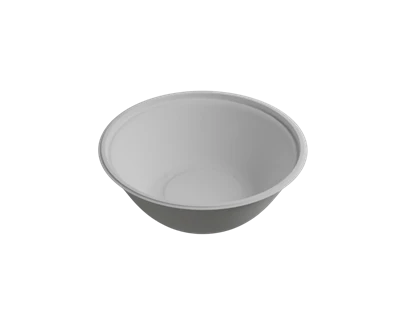
Cardboard Burger Boxes
Cardboard is probably the most common material for burger boxes. You see ’em everywhere. One of the biggest perks of cardboard is that it’s renewable. Trees, which cardboard comes from, can be replanted. And if you’re into recycling, cardboard is a superstar. It can be recycled multiple times, reducing the need for new raw materials.
Another plus is that cardboard is biodegradable. When you toss it in a compost pile or just leave it in the environment, it’ll break down over time. This means less long – term waste sitting in landfills.
But it’s not all sunshine and rainbows. The production of cardboard can be pretty resource – intensive. You need a lot of water and energy to turn trees into cardboard. And if the trees aren’t sourced from sustainable forests, it can lead to deforestation. That’s bad news for wildlife that depends on those forests and for the carbon – sequestering ability of trees.
Plastic Burger Boxes
Plastic boxes are known for being lightweight and durable. They can keep your burger nice and fresh, and they’re pretty resistant to moisture. You don’t have to worry about your box getting soggy if there’s a little bit of sauce on the burger.
However, plastic is a huge environmental headache. It’s made from fossil fuels, which are non – renewable. Once fossil fuels are gone, they’re gone for good. And the manufacturing process for plastic releases a lot of greenhouse gases, contributing to climate change.
Plastic is also a long – term environmental pollutant. It doesn’t break down easily in the environment. When it ends up in landfills, it can sit there for hundreds of years. And if it gets into our oceans, it can harm marine life. Animals might mistake plastic pieces for food, which can lead to injury or death. Recycling plastic is also a challenge. Not all types of plastic can be recycled, and the recycling process itself can be energy – intensive.
Paperboard Burger Boxes
Paperboard is similar to cardboard but a bit thinner. It’s also made from wood pulp, so it shares some of the same environmental pros as cardboard. It’s renewable and biodegradable. It’s often used for more lightweight burger boxes or for boxes with a more stylish look.
The production of paperboard also has its cons. Just like cardboard, the manufacturing process can use a lot of water and energy. And if the paperboard isn’t sourced sustainably, it can contribute to deforestation.
Biodegradable and Compostable Burger Boxes
In recent years, there’s been a big push towards biodegradable and compostable burger boxes. These are usually made from plant – based materials like cornstarch, sugarcane bagasse, or bamboo.
The big advantage of these materials is that they break down much faster than traditional plastics or even cardboard in the right conditions. They’re also often made from renewable resources. For example, sugarcane can be harvested every year, and bamboo is one of the fastest – growing plants on Earth.
But there are some drawbacks. Compostable materials need specific conditions to break down properly. If they end up in a regular landfill, they might not decompose as quickly as they should. And the production of these materials can sometimes be more expensive, which can be a turn – off for some businesses.
Styrofoam Burger Boxes
Styrofoam, or expanded polystyrene, used to be very popular for burger boxes because it’s lightweight and has good insulation properties. But it’s one of the worst materials for the environment.
Styrofoam is made from petroleum, a non – renewable resource. It’s also extremely difficult to recycle. Most recycling facilities can’t handle Styrofoam, so it often ends up in landfills. And when it’s in the environment, it breaks into tiny pieces that can contaminate soil and water. These small pieces can also be ingested by animals, causing health problems.
What Can We Do?
As a burger box supplier, I’ve been thinking about how we can make better choices. For starters, we can promote the use of cardboard and paperboard sourced from sustainable forests. This way, we can still enjoy the benefits of these materials while minimizing the impact on forests.
We can also encourage the use of biodegradable and compostable materials. We can work with our customers to educate them about the proper disposal of these boxes so that they break down as intended.
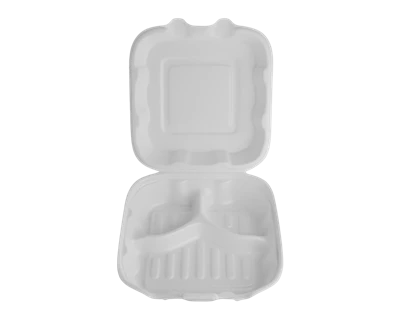
And for those who are really concerned about the environment, we can offer a mix of materials and let them choose based on their priorities. Maybe they’re okay with a slightly higher cost if it means a more sustainable option.
Let’s Talk!
Burger Boxes If you’re in the burger business or any food business that needs burger boxes, I’d love to chat with you. We can discuss the different options available and find the best fit for your needs, both in terms of cost and environmental impact. Whether you’re looking for a classic cardboard box or want to try out the latest in biodegradable materials, I’m here to help. Reach out, and let’s start making more eco – friendly choices together.
References
- EPA (Environmental Protection Agency). "Waste Reduction and Recycling Basics"
- National Geographic. "Plastic Pollution"
- Forest Stewardship Council. "Sustainable Forestry Information"
Bio Earth Technology Co., Ltd.
As one of the most professional burger boxes manufacturers and suppliers, we also support customized service. Please feel free to buy bulk high quality burger boxes for sale here from our factory. For quotation and free sample, contact us now.
Address: No. 8-3, Baixi, 2nd Neighborhood, Tongxiao Township, Miaoli County 357001, Taiwan (R.O.C.)
E-mail: Services@bioearthtech.com
WebSite: https://www.bioearthtech.com/
