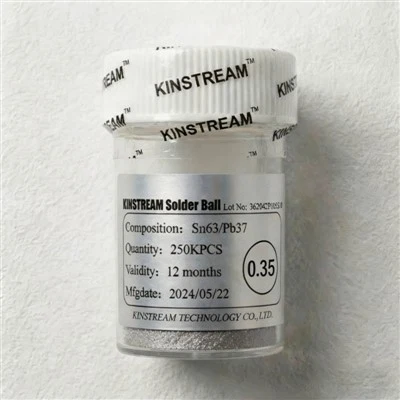
Hey there! I’m a supplier of tin solder balls, and I often get asked about how to store these little guys properly. You see, tin solder balls might seem small and insignificant at first glance, but they play a huge role in the electronics manufacturing industry. If they’re not stored correctly, it can lead to a bunch of problems down the line. So, in this blog post, I’m gonna share some tips on how to store tin solder balls properly. Tin Solder Balls
Why Proper Storage Matters
Before we dive into the how – to part, let’s talk about why proper storage is so important. First off, tin solder balls are sensitive to environmental conditions. Exposure to moisture can cause oxidation on the surface of the balls. Oxidized solder balls don’t melt as smoothly during the soldering process. This can result in poor solder joints, which means the electronic components might not be connected properly. And that’s a big no – no in the world of electronics, where reliability is key.
Secondly, contaminants can also be a major issue. Dust, dirt, and other foreign particles can mix with the solder balls. When these contaminated balls are used, it can lead to short circuits or other electrical failures in the final product. So, keeping them clean and well – stored is crucial for ensuring high – quality soldering results.
Ideal Storage Conditions
Temperature
The temperature at which you store tin solder balls is super important. Generally speaking, a cool and stable temperature is best. The ideal temperature range for storing tin solder balls is between 15°C and 25°C (59°F and 77°F). Extreme temperatures can have a negative impact on the solder balls.
If it’s too hot, the solder balls can start to oxidize more quickly. High temperatures can also cause the metal structure inside the balls to change, which can affect their melting properties. On the other hand, if it’s too cold, the solder can become brittle. Brittle solder balls are more likely to break, and broken solder balls are pretty much useless for soldering.
So, try to keep the storage area at a consistent temperature. You might want to use a temperature – controlled storage cabinet or a room with a good climate control system. That way, you can avoid any sudden temperature changes that could harm the solder balls.
Humidity
Humidity is another factor that you need to pay attention to. Tin solder balls should be stored in a low – humidity environment. The relative humidity should be kept below 40%. Moisture in the air can cause the solder balls to rust and oxidize.
To control humidity, you can use dehumidifiers in the storage area. There are also moisture – absorbing packets that you can place in the containers where the solder balls are stored. These packets work by absorbing excess moisture from the air inside the container. And make sure to seal the containers tightly. That way, you can prevent outside air from getting in and raising the humidity level inside.
Contamination
As I mentioned earlier, keeping the solder balls free from contaminants is crucial. You should store them in a clean environment. Avoid storing them in areas where there is a lot of dust or where chemicals are used.
When handling the solder balls, always wear clean gloves. Your hands can carry oils, dirt, and other contaminants that can stick to the solder balls. And use clean tools when transferring the solder balls from one container to another.
Storage Containers
The type of container you use to store tin solder balls can also make a big difference. Here are some pointers on choosing the right containers:
Sealed Containers
Sealed containers are a must. They help keep out moisture, dust, and other contaminants. You can use plastic containers with tight – fitting lids. There are also metal containers available that are very good at protecting the solder balls. Make sure the container is large enough to hold the solder balls without overcrowding them. Overcrowding can cause the balls to rub against each other, which might damage the surface.
Anti – Static Containers
Since tin solder balls are used in electronics, it’s a good idea to use anti – static containers. Electrostatic discharge can be a problem, especially in dry environments. Anti – static containers prevent the build – up of static electricity, which can damage the solder balls and the electronic components they’re used to connect.
Labeling and Organization
Proper labeling and organization are important for efficient storage. When you receive a new batch of solder balls, label the container with the date of receipt, the type of solder (e.g., lead – free solder, lead – containing solder), and the size of the balls. This way, you can easily keep track of the inventory and use the oldest solder balls first.
You can also organize the containers on shelves or in drawers. Arrange them in a way that makes it easy to access the ones you need. For example, you can group the containers by size or by the type of solder.
Regular Checks
Even if you’ve stored the solder balls under ideal conditions, it’s still a good idea to do regular checks. Check the containers for any signs of damage, such as cracks or loose lids. If a container is damaged, transfer the solder balls to a new one right away.
Inspect the solder balls themselves for signs of oxidation or contamination. If you notice any discoloration or foreign particles on the balls, it’s best not to use them. You can replace them with a fresh batch.
Conclusion

Storing tin solder balls properly is not rocket science, but it does require some attention to detail. By keeping the right temperature and humidity, using the appropriate storage containers, labeling and organizing your inventory, and doing regular checks, you can ensure that your solder balls remain in good condition and are ready to be used for high – quality soldering jobs.
Copper Core Solder Balls If you’re in the market for tin solder balls and want to learn more about our products, don’t hesitate to reach out. We’re here to help you find the right solder balls for your needs and can provide more advice on their proper storage and use. Just drop us a message, and we’ll have a chat about how we can work together.
References
- "Metals Handbook: Properties and Selection: Nonferrous Alloys and Pure Metals" by American Society for Metals
- "Electronics Assembly Material and Process Handbook" by John H. Lau
Kinstream Technology Co., Ltd.
We’re well-known as one of the leading tin solder balls manufacturers and suppliers in China. We warmly welcome you to wholesale bulk high quality tin solder balls in stock here from our factory. If you have any enquiry about customized service, please feel free to email us.
Address: Room 311, Bldg., 7D, Hengda Shishang Huigu, Dalang Street, Longhua District, Shenzhen, China
E-mail: valuemaxau@163.com
WebSite: https://www.kinstreamspheres.com/
