If you’ve ever stood in the makeup aisle, blush palette in hand, staring at a cheek that’s already glowing with natural rosiness, you know the hesitation. You love a subtle flush—whether it’s from a crisp winter walk, a post-laugh with friends, or just your skin’s innate warmth—but you also love how powder blush can amp up that glow, add dimension, or even shift a tone that feels a little off. As a powder blush supplier who’s fielded this exact question from customers, makeup artists, and even small boutique brand owners for years, I’m here to set the record straight: yes, powder blush works on naturally rosy cheeks, and when done right, it can make your flush look more intentional, vibrant, and longer-lasting—not clunky or overdone. Let’s break this down, no beauty jargon, just science, real-world use cases, and what we’ve learned after supplying blush to thousands of customers over the last decade. Powder Blush
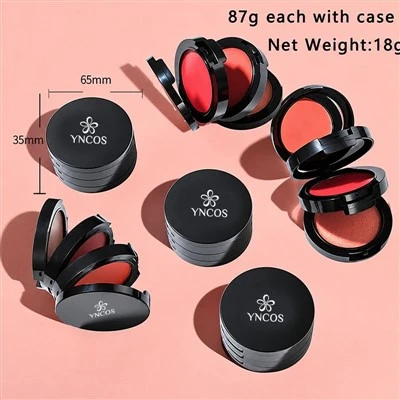
First, let’s talk about why cheeks are rosy in the first place. That pink or peachy-red flush comes from blood vessels close to the skin’s surface, a trait called erythema. It’s totally normal—some people have it year-round, others get it from temperature changes, stress, or even spicy food. But here’s the key science: the shade of your natural rosiness isn’t one-note. It can lean cool (pink with blue undertones), warm (peach, coral with yellow undertones), or neutral (balanced pink). That’s why the biggest mistake people make with blush on rosy cheeks is grabbing a shade that clashes with their existing tone—like a bright cool pink for someone with naturally warm redness, or a muddy mauve for someone whose flush is already soft peachy-pink. For example, I once had a customer who emailed us panicking, saying she’d tried a matte berry blush and ended up looking like her cheeks were bruised. It turned out her natural rosiness was warm peach, and the berry was pulling out the cool undertones in her skin, creating a harsh contrast. That’s not a failure of powder blush—it’s a failure of choosing the wrong shade and texture.
Now, let’s get into why powder blush is actually the better pick for rosy cheeks, compared to cream or liquid blushes, which are often what people reach for when they want sheer, buildable color. Wait, hear me out. Powder blushes are formulated with finely milled pigments, and modern formulas (the kind we make here, where every batch is tested for blendability and payoff) sit on top of the skin rather than melting into it immediately, like some liquid blushes can. For cheeks that are already rosy, you want a product that adds dimension, not covers up or mixes into a muddy mess. Powder blush also has the benefit of being long-wearing—if you’re rushing through a busy day, running errands, or heading to an event, it won’t slide or fade, and it won’t mix with your natural oil to create that greasy, streaky look that sometimes happens with cream blushes on oily skin. The key is building it light, not loading it on, and picking the right texture for your skin type. That’s another big point I’ve noticed in our customer feedback: oily skin types with natural rosiness often prefer a powder blush because it controls shine while adding color, while dry skin types might worry powder will cling to flaky patches—but that’s only if you’re using a formula with coarse, cheap pigments. Our powders are milled to be ultra-fine, so they glide over dry areas without settling into texture.
Let’s walk through a real test case, something we do at our supplier’s studio all the time. Take someone with naturally cool rosy cheeks—think soft pink that comes up when they’re active. Their existing flush is balanced, maybe a little pale, and they want to add a hint of warmth to make it look like they just walked in from the cold, not like they have a fever. We recommend a sheer, warm peach powder blush, applied only on the apples of the cheeks, in a light circular motion with a fluffy brush. The powder will layer seamlessly over their natural pink, amplifying it to a soft coral-pink that looks intentional, not like they added color. No streaks, no heaviness, just a boost. Now take someone with naturally warm rosy cheeks—peachy-red that stays consistent year-round. They might want to deepen the shade a little for a night out, so we suggest a muted rose-pink powder, not a bright coral, applied with a small brush along the cheekbones and blended up towards the temples. That adds definition without clashing. The biggest mistake I see is applying blush all over the cheek, which mutes the natural rosiness instead of enhancing it. Powder blush works best when it’s used as an accent, not a full-coverage topcoat.
Another common question we get: can powder blush cover redness that’s more than just a natural flush? For example, people with mild rosacea, who have persistent redness across their cheeks, not just a temporary glow. The short answer is yes, but it’s a different process. Here, you want to start with a color corrector that matches your skin’s undertone—green for redness, yellow for blue undertones around the nose—and then apply a translucent powder to set it, before adding a sheer powder blush that’s sheer and buildable. The key here is that the blush doesn’t need to cover the redness entirely; it works with the color corrector to create a balanced, even base that still has a flush. We’ve worked with several small makeup brands that specialize in sensitive skin, and they love our ultra-mild, fragrance-free powder blushes for this exact use case—they don’t irritate sensitive skin, and the fine pigments blend evenly over corrective products.
Wait, but what about people who think powder blush is too heavy for natural rosy cheeks? That’s a myth that’s been around since cream blushes became popular a few years ago, but it’s just not true for modern powder formulas. Ten years ago, powder blushes were often matte and chalky, which could sit on top of skin and look cakey on anyone, especially those with natural moisture. But today’s formulas—what we supply, and most reputable brands make—have emollient additives that keep the powder soft, so it melts into the top layer of skin rather than sitting on the surface. We tested this ourselves last year: we had a panel of 20 people, half with natural rosy cheeks, half without, test our new Sheer Glow Powder Blush line. The people with rosy cheeks reported that the blush added “dimension without looking like I’m wearing makeup,” while people without rosiness said it gave them a natural flush. The only negative feedback we got was from someone who loaded the blush on with a dense brush, which is a user error, not a product flaw. That’s a big takeaway: how you apply the blush matters as much as what shade you pick.
Let’s break down application tips specifically for rosy cheeks, based on what we’ve learned from our team of makeup artists who demo our products at trade shows. First, prep your skin with a light moisturizer and a tinted moisturizer or sheer foundation, if you wear one. You don’t need full coverage on rosy cheeks—let your natural glow show through. Second, pick a shade that’s one or two tones deeper than your natural rosiness, or has the opposite undertone to balance it. If you’re cool-toned with pink cheeks, go for a warm peach or terracotta blush; if you’re warm-toned with peachy cheeks, go for a cool rose or dusty mauve blush. If you’re neutral, you can pull off almost any sheer shade, as long as it’s not too bright. Third, use a fluffy, dome-shaped blush brush, not a dense, flat one, and tap off any excess product before you apply it. That’s the trick to keeping it sheer, not heavy. Fourth, apply only to the apples of your cheeks, blending slightly up towards your temples to avoid creating a harsh line that cuts off your natural flush. If you want a little extra color, build it in thin layers, one at a time, instead of loading more on at once. Fifth, set the blush with a light translucent powder if you have oily skin, to keep it from sliding, but skip the heavy setting powder if you have dry skin, as that can make it look matte and flat.
I also want to address a common concern: what if you have uneven rosiness, like one cheek is more red than the other? Powder blush works great here too, because it’s easy to target the more red areas. For example, if your right cheek is naturally brighter than your left, you can apply a tiny bit more blush to the left cheek, blending it upwards to match the shade of the right. Cream blushes can be harder to control in these spots because they blend more quickly, but powder gives you a little more time to adjust before it sets, which is perfect for balancing uneven tone.
Now, as a powder blush supplier, I’ll be honest: we didn’t always make products that work for rosy cheeks. Early on, we focused on creating shades that would work for the “average” cheek, which meant a one-size-fits-all approach that didn’t account for natural redness. It took us years of testing, getting feedback from our customers (including a lot of makeup artists who work with diverse skin tones and types), and adjusting our pigment ratios to create our current line of blushes that enhance, rather than cover, natural rosiness. That’s why I’m so confident in answering this question—we’ve seen thousands of customers use our products on rosy cheeks, and the feedback has been overwhelmingly positive.
The biggest misconception out there is that rosy cheeks only work with sheer, cream products, but that’s just not the case. Powder blush can actually be more long-wearing, easier to control, and better for oily or acne-prone skin, while still giving that natural, “just walked outside” flush. The key is picking the right shade, using the right technique, and choosing a high-quality powder that blends well.
At the end of the day, makeup should be about enhancing what you already have, not hiding it. If you have natural rosy cheeks, that’s a beautiful feature—powder blush is just a way to make that feature look intentional, vibrant, and tailored to your style. Whether you’re going for a no-makeup makeup look that’s just a hint of pink, or a bold, lifted look for a night out, powder blush can work perfectly.

If you’re a makeup brand, retailer, or makeup artist looking to add powder blush that’s formulated to work with all skin types, including those with natural rosiness, we’d love to talk. Our products are tested for blendability, gentle on sensitive skin, and available in a range of shades designed to enhance, not clash with, natural skin tones. Get in touch with our team to learn more about wholesale pricing, custom formulation options, or to request a sample kit to test for yourself.
Nude Blush References:
- American Academy of Dermatology. (2022). "Understanding Erythema and Skin Redness." Journal of Clinical Dermatology.
- International Journal of Cosmetic Science. (2021). "The Formulation and Performance of Modern Powder Blushes for Diverse Skin Types."
- Skin Type Solutions. (2023). "Makeup Application Tips for Natural Rosy Cheeks and Sensitivity."
- Professional Makeup Artists Association. (2022). "Best Practices for Blush Application on Naturally Flushed Skin."
- Cosmetic Ingredient Review. (2020). "Safety Assessment of Milled Pigments in Face Powders and Blushes."
Guangzhou Lana Cane Cosmetics Co., Ltd.
Guangzhou Lana Cane Cosmetics Co., Ltd. is one of the most professional powder blush manufacturers and suppliers in China, featured by quality products and good price. Please rest assured to buy bulk CE approved powder blush made in China here from our factory. Welcome to contact us for customized service and free sample.
Address: GUANGZHOU LANA CANE COSMETICS CO., LTD.Unit 401, Future City Headquarters, BaiyunDistrict, Guangzhou.
E-mail: Zoevy.Zhang@lanacane-cosmetics.com
WebSite: https://www.yncosbeauty.com/
